Toy Story 5 Didn't Need to Exist — But Does It Justify Itself?
Pixar had the perfect ending. Toy Story 4 wrapped everything up with a bow so clean it made grown adults sob in parking lots. So why are we here again? Because Disney smelled money, Pixar found a theme worth chasing, and somehow — against all odds — there might be a reason this movie exists.
Look, I'm going to say what everyone was thinking when the announcement dropped: we didn't need this.
Toy Story 4 gave us one of the most emotionally complete endings in animation history. Woody let go. He chose a new path. The toys said goodbye. Credits rolled. We cried. It was done.
So when Disney said "actually, there's a fifth one," the collective response was somewhere between a groan and a sigh. And honestly? That response was earned.
The Case Against Toy Story 5
Here's the thing. Pixar has a sequel problem, and everyone knows it.
Inside Out 2 made $1.7 billion and proved that sequels print money. But making money and making art are two different conversations, and Pixar used to be the studio that did both without breaking a sweat.
The original Toy Story changed cinema. Full stop. Toy Story 2 was somehow better. Toy Story 3 made the incinerator scene, which is basically a war crime against your emotions. Each one justified its existence by raising the stakes and deepening the theme.
But a fifth? After the goodbye? That's not raising stakes — that's reopening a wound.
The Lilypad Gamble
And yet.
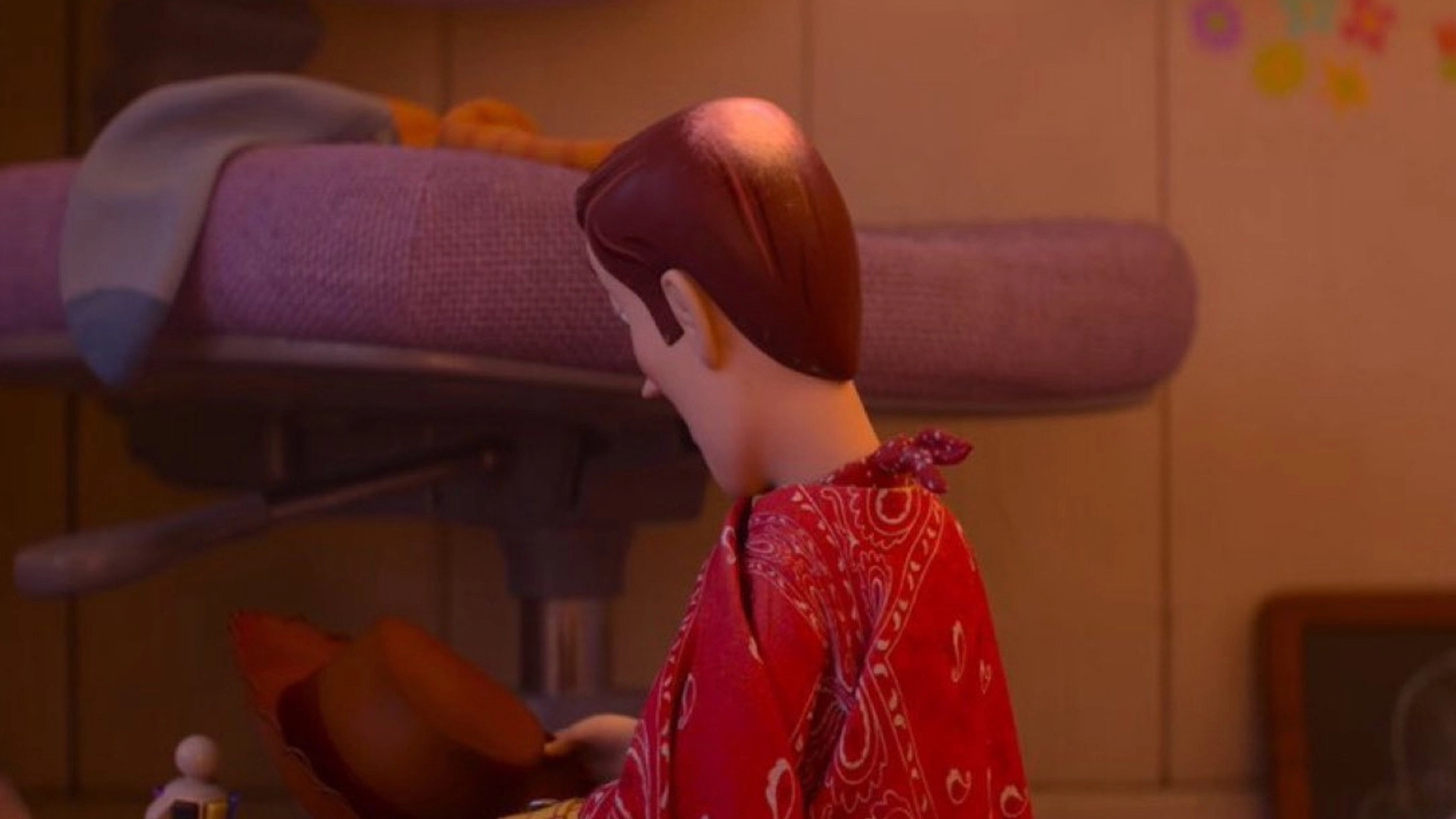
Andrew Stanton — the guy who directed Finding Nemo and WALL-E — isn't exactly known for phoning it in. When he describes Toy Story 5 as tackling "an existential problem: that nobody's really playing with toys anymore," that's not sequel bait. That's a genuine creative thesis.
The villain this time isn't a creepy collector or a bitter stuffed bear. It's a tablet named Lilypad — voiced by Greta Lee — and she's not evil in the traditional sense. She's just... better. More entertaining. More engaging. She doesn't need to scheme against the toys because she's already won. Every kid in the real world already chose the screen over the toy box years ago.
That's devastatingly clever. Or at least it could be.
The risk is that it becomes preachy. "Screens bad, toys good" is the kind of message that works in a trailer and collapses under the weight of a feature film. If Pixar plays this as a simple morality tale, it'll feel like a boomer Facebook post with a $200 million animation budget.
But if they treat the technology question with the same nuance they brought to mortality in Toy Story 3 or identity in Toy Story 4? Then we might have something.
Tom Hanks and Tim Allen Are Back. So What?
Woody's return needs to mean something beyond "Tom Hanks signed a check." His arc was complete. He chose Bo Peep. He found purpose outside being someone's toy. Bringing him back risks undoing the single most satisfying character resolution Pixar ever wrote.
The early word is that Jessie takes center stage this time, with Buzz as her second-in-command. Good. If this movie is about the toys who stayed — the ones still in Bonnie's room watching her drift toward a screen — then Jessie is the right lens. She's already been abandoned once. She knows what obsolescence tastes like.
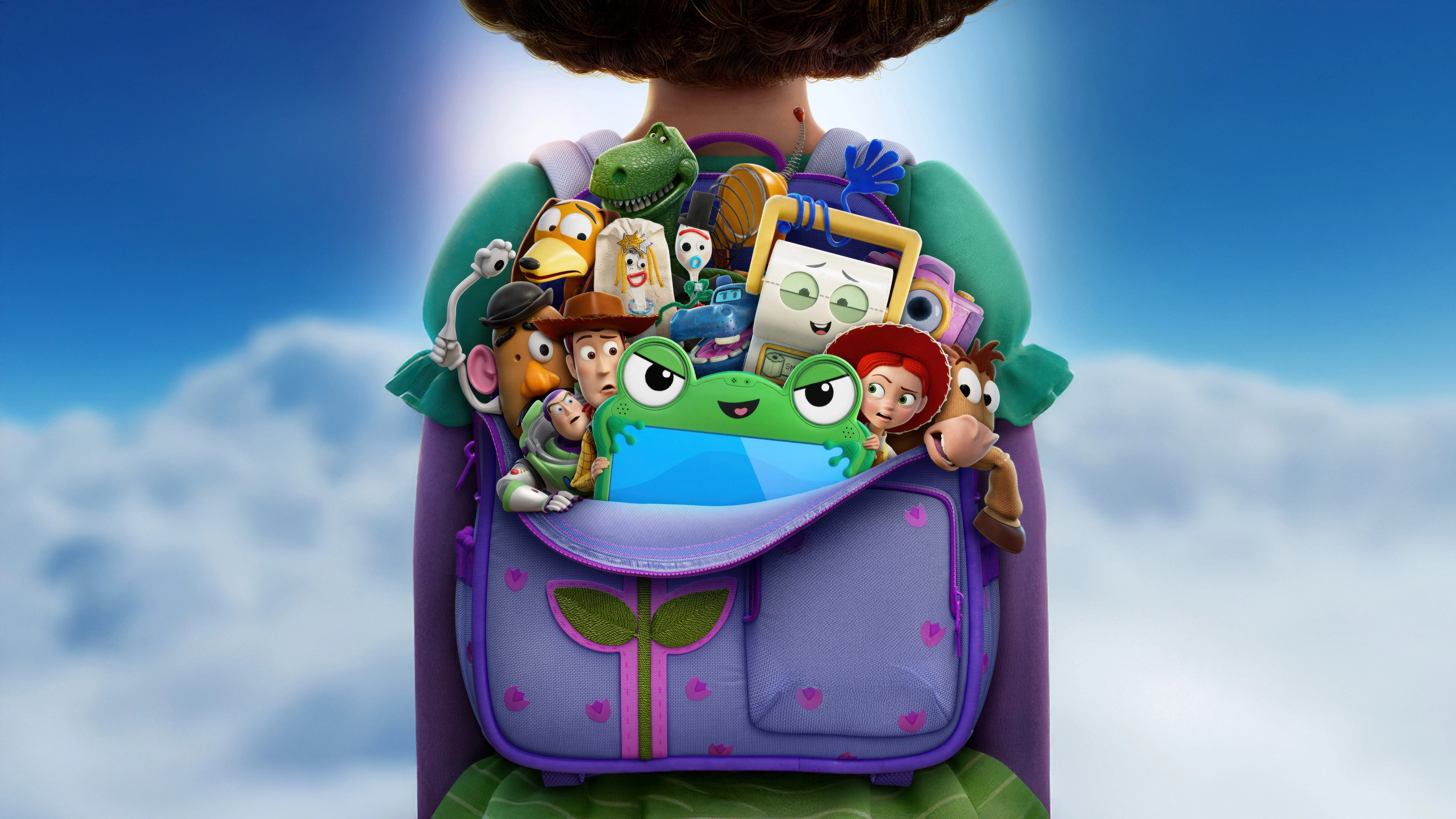
Tim Allen's Buzz and Joan Cusack's Jessie anchoring the emotional core while Woody exists more on the periphery? That could work. It has to work, because the alternative is just retreading ground we've already covered.
The Box Office Will Be Fine. That's Not the Point.
Let's not pretend there's any suspense about whether this movie will make money. The last two Toy Story films both crossed a billion dollars. The teaser trailer hit 142 million views in 24 hours. Tracking has it at 59% interest — well above average for animation.
This thing is going to print money whether it's a masterpiece or a mediocre cash grab. Disney knows it. You know it. I know it.
So the real question isn't "will people see it?" It's "will it matter?"
Will it join the conversation alongside the first three films as a genuine piece of storytelling? Or will it be the one we politely acknowledge before rewatching the trilogy that actually mattered?
Should Pixar Be Making This Instead of Something New?
This is the part that stings. Every dollar and every hour of animator talent poured into Toy Story 5 is a dollar and an hour that didn't go toward the next Inside Out, the next Coco, the next original idea that makes you feel something you've never felt before.
Pixar built its legacy on originals. Up. Ratatouille. WALL-E. The studio that made you cry over a montage of an old man's marriage doesn't need to keep returning to the toy box.
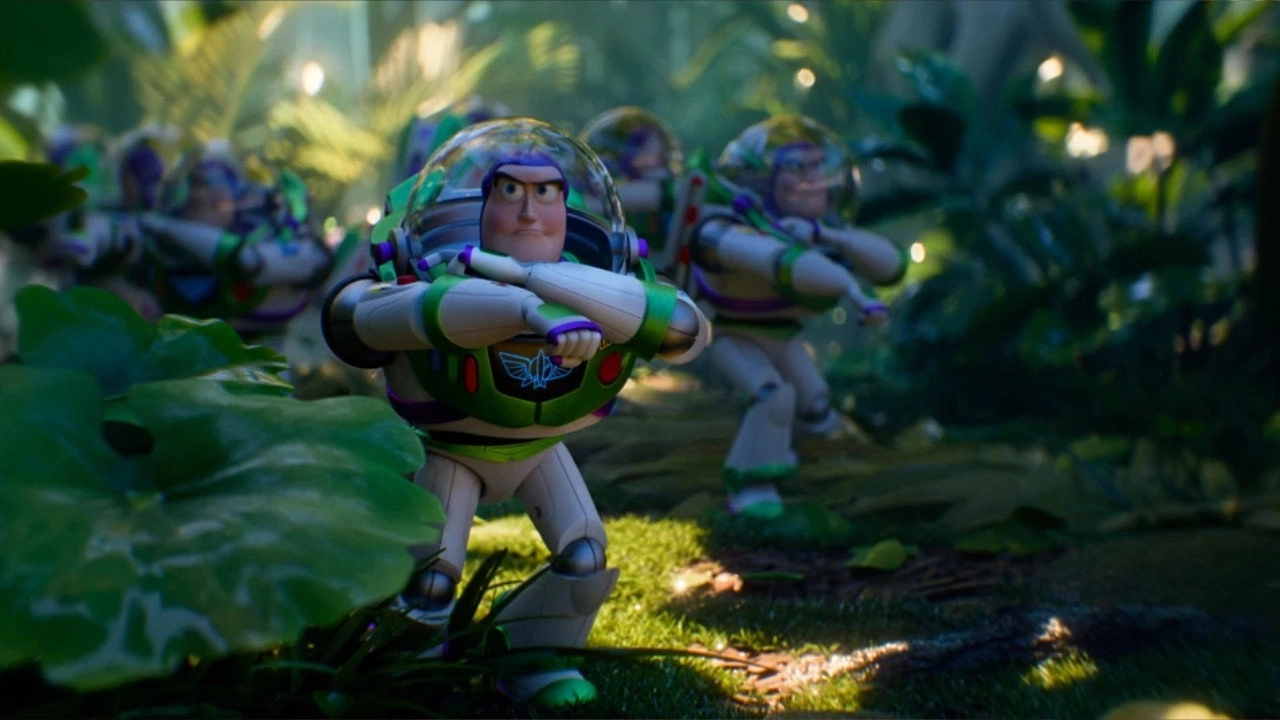
But here's the uncomfortable truth: originals don't track at 59% interest six months out. Elemental underperformed. Lightyear flopped. The market is telling Pixar that audiences want the familiar, and Pixar — owned by Disney — has to listen.
I don't like it. But I understand it.
The Verdict Before the Verdict
Toy Story 5 didn't need to exist. I said it, and I'll keep saying it.
But "didn't need to" and "shouldn't" are different sentences. Andrew Stanton is a generational talent. The technology-vs-play theme is genuinely resonant. Greta Lee voicing a passive-aggressive tablet is inspired casting. And early word from people who've seen it says it's excellent.
So here's where I land: I'm going in with my arms crossed and my expectations deliberately low. If this movie earns its place in the franchise, I'll be the first to admit it. And if it doesn't — if it turns out to be a $200 million nostalgia trap — I'll be here to say I told you so.
Either way, Pixar chose to reopen the toy box.
Now they have to prove it was worth it.
Comments (0)
Log in to leave a comment.